Empowering Smallholder Farmers: How 3-Wheeled Transportation Prevents Crucial Post-Harvest Loss
In agricultural communities across South America and Africa, a tragic reality persists: up to 30% to 40% of fresh crops spoil before they ever reach the urban market. The primary culprit isn’t bad farming; it is the absolute lack of affordable, localized transport to bridge the gap between rural farms and major trading centers.
Large transport trucks rarely travel deep into rugged farm tracks, and when they do, their hiring costs eat up all the farmer’s profits. Motorized cargo tricycles are actively solving this problem by democratizing rural logistics.
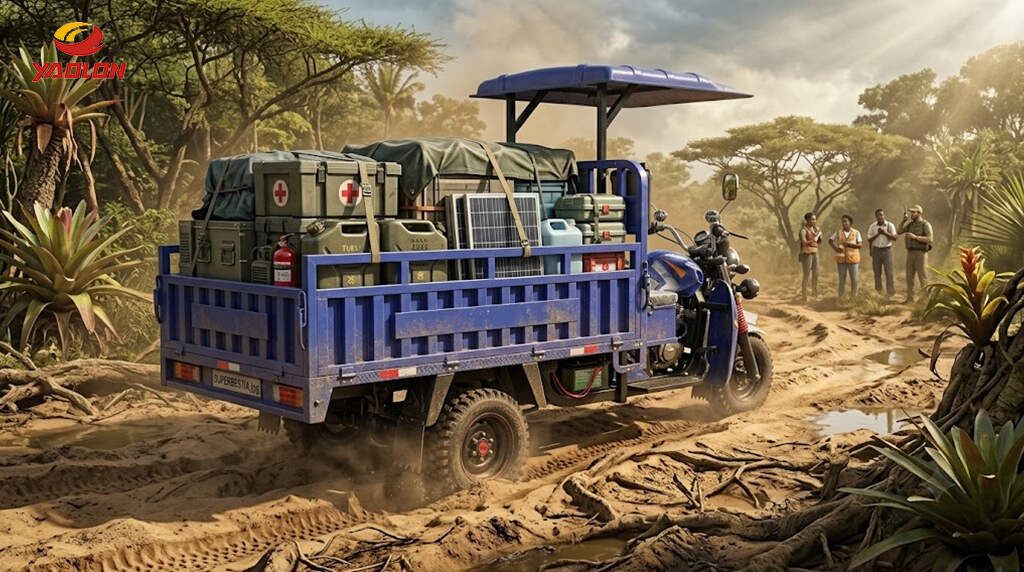
Direct Farm-to-Market Access: Tricycles can easily navigate narrow dirt paths, muddy terrains, and unpaved plantation routes. They allow smallholder farmers to load fresh produce right at the field edge and transport it immediately.
Preserving Freshness and Value: Speed is everything when handling perishables like tomatoes, milk, or tropical fruits. Tricycles bypass waiting times for larger trucks, getting goods to market while prices are high and quality is pristine.
Affordable Cooperative Models: Agricultural cooperatives can easily buy a small fleet of tricycles to serve dozens of members, distributing the low maintenance costs among the community.
By converting a logistical bottleneck into a smooth supply chain, the motorized cargo tricycle is transforming small-scale farming from simple survival into a highly profitable enterprise.